
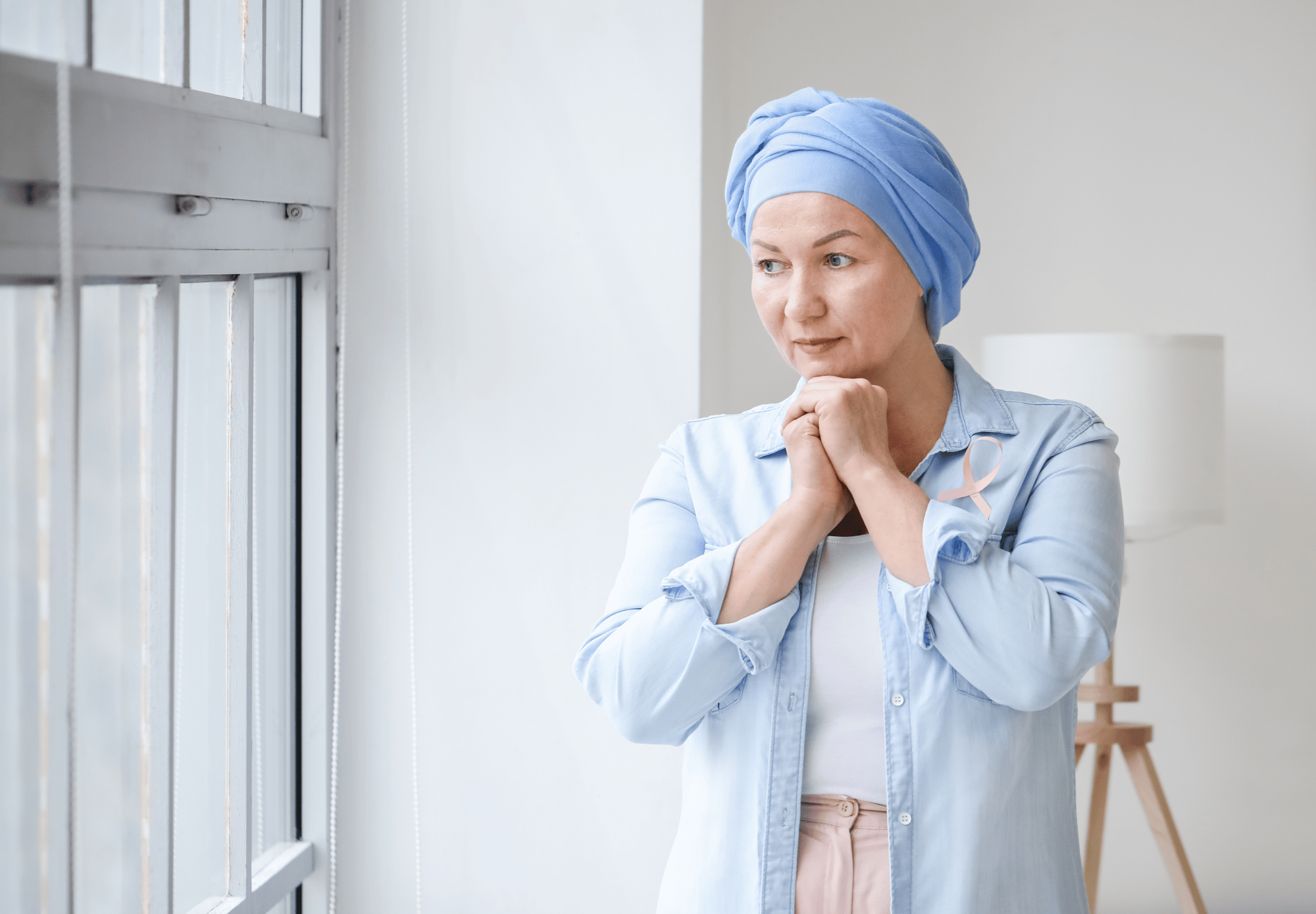
We know the prevalence of depression and other mood disorders is high among oncology patients and cancer survivors, and usual behavioral health care interventions have struggled to meet the need. Patients may have their cancer care directed by an oncologist, surgeon, radiologist, hematologist, other specialist provider, or a combination of these. This presents a challenge, but also an opportunity to take an integrated approach to supporting patient behavioral health.
The AIMS Center at the University of Washington, innovators of the Collaborative Care model, notes that the model is both effective at supporting the needs of patients with cancer, and adaptable to the variety of settings in which patients receive cancer care. A roundup of the literature helps us understand why…
What the research shows
The research to support the application of collaborative care in oncology goes back nearly 20 years, much of it coming from Europe. When studied in hundreds of patients with major depression symptoms, significantly more patients (63%) in the intervention group experienced a 50% or greater improvement in their PHQ-9 scores, compared with 50% in the control group receiving enhanced usual care. This is comparable to results seen in non-oncology collaborative care interventions.
When zeroing in on patients by age or condition category, the results held up. Researchers studied patients aged 60+ with major or chronic depression and found, “The IMPACT collaborative care program appears to be feasible and effective for depression among older cancer patients in diverse primary care settings.” Another study looked specifically at patients with lung cancer who were given a poor prognosis and found that “major depression can be treated effectively in patients with a poor prognosis cancer; integrated depression care for people with lung cancer was substantially more efficacious than was usual care.” This underscores that patients facing a lower life expectancy can meaningfully improve their quality of life through deliberately integrating behavioral health into their care plan.
Individual trials and studies on oncology patient behavioral health tend to be small and are notoriously hard to conduct, due to recruiting challenges and the mortality rate during the study period. About 10 years ago, researchers published a meta-analysis of several previous randomized controlled trials conducted over a 10 year period. It found that “collaborative care interventions were significantly more effective than usual care […], and depression reduction was maintained at 12 months.”
Most of the high quality research tends to look at depression in patients with cancer, as measured by the standard Patient Health Questionnaire (PHQ-9). A much more recent study looked at patients with serious mental illness and found collaborative care supported not only improved outcomes but better engagement and adherence to their care program, noting “significantly fewer disruptions in cancer care and improvement in psychiatric illness severity.”
Finally, we can’t ignore the fact that oncology patients often face a steep financial burden and many of the patients in the studies mentioned above are on some form of public insurance plan. When looking squarely at the financial impact, one analysis showed that integrated behavioral health specifically for cancer patients is likely to reduce costs compared to other approaches.
What’s next for integrating behavioral health with oncology?
There are numerous recommendations for how to adapt and implement a collaborative care program to support oncology patients. The Concert Health clinical leadership team continues to incorporate research into oncology pathway and training development. The bottom line is—oncology patients and cancer survivors can benefit tremendously from the collaborative care approach; we believe that integrated behavioral health will continue to expand and support the needs of many more patients in oncology settings.